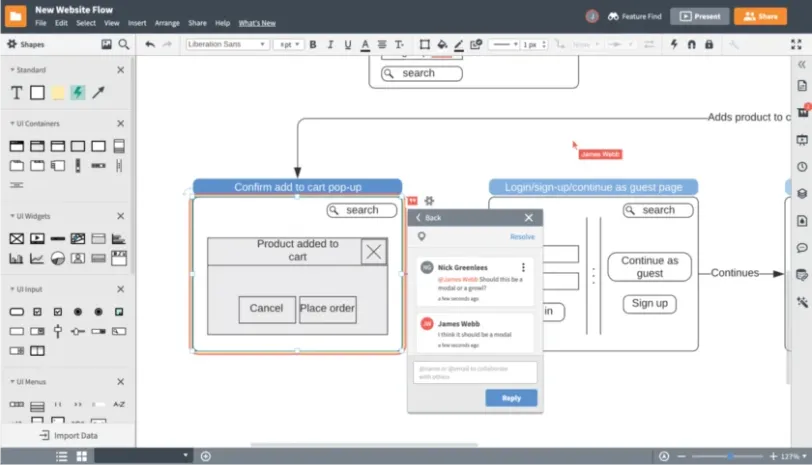
The prototype is the semantic and structural basis of your web resource
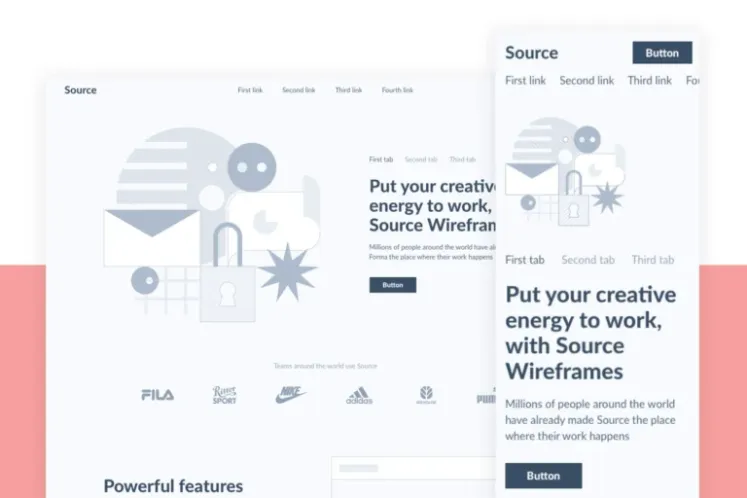
At this stage, the fundamental positions of the future site are developed.
Many developers ignore this part of the work and mistakenly proceed immediately to the design of the service, which entails a huge number of revisions, rework and increasing the cost of the designer's labor hours.
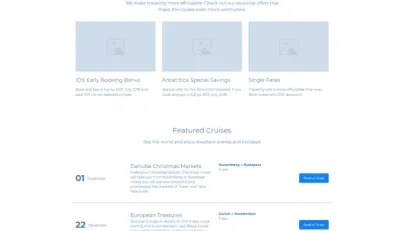
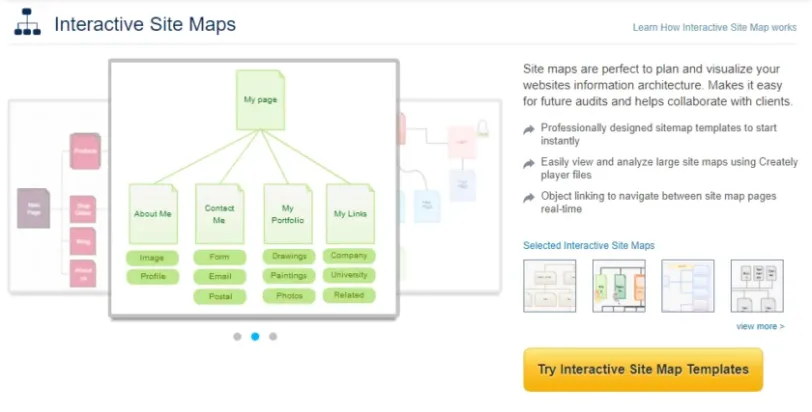
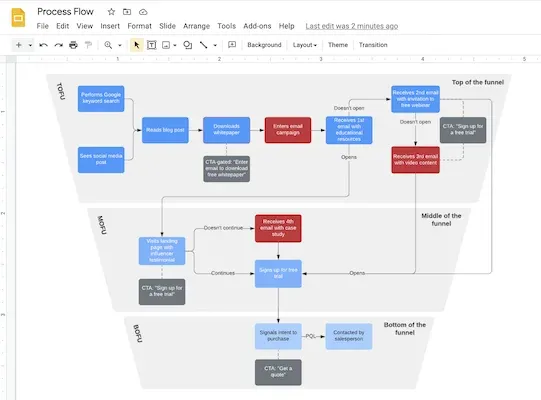
Build a site tree with the proper distribution of pages of the first, second and third sublevels.
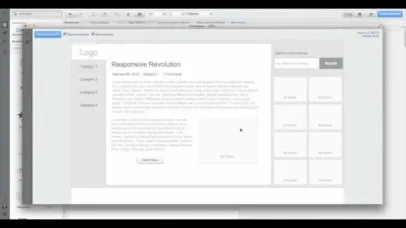
Build a logical flow of meaning for optimal perception of the material buyer or visitor.
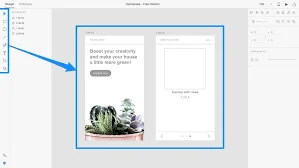
It is most advantageous to place the benefits of the organization in the right part of the page(s).
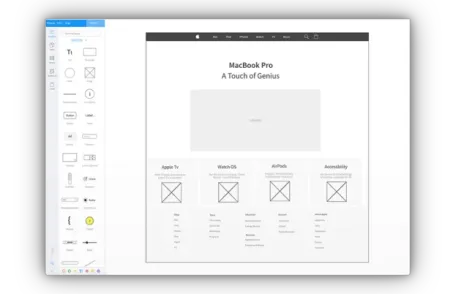
Think about the structure of blocks and their relationship with the help of interactive buttons.
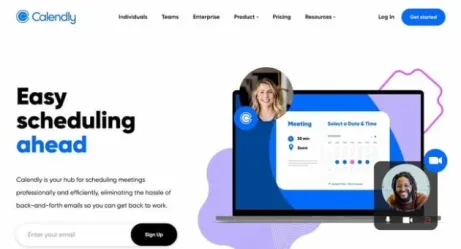
Place feedback forms in those positions of the prototype where the customer needs to get advice or make an order.
When approving the prototype, the customer usually makes multiple revisions and comments, clarifying the form of presentation of the material. And if there is no prototype, these corrections go to the design stage, which makes the development process very difficult!
Why does the prototype have to be immediately filled with content?
Some developers create a template prototype with a standard breakdown into blocks, and then give that work to a copywriter to fill in the text. This approach is fundamentally wrong!
Partitioning into blocks should not happen by the template, but based on the marketing advantages of the company. It is the peculiarities of the organization that the structure of the site should be created.
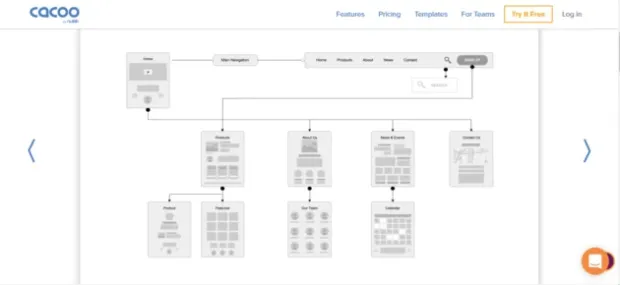
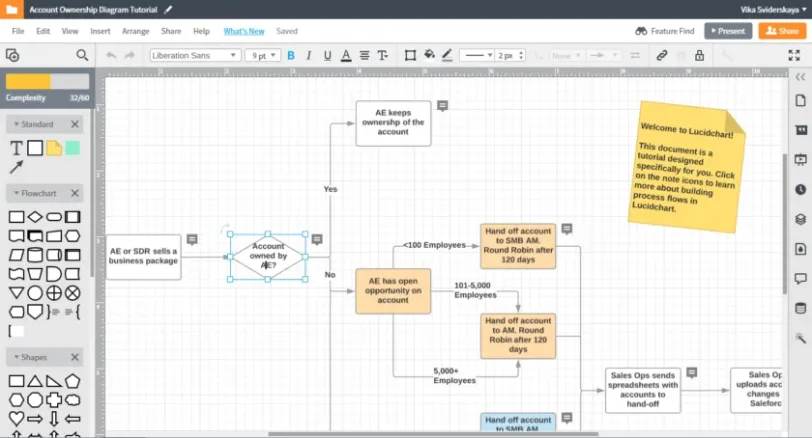
Stages of prototyping
In-depth marketing analysis of the business for which the resource is created
At the initial stage it is extremely important to define the unique features of the product or service, with their competitive advantages, nuances and the smallest details. Since every marketer knows that it is not the product itself that sells, but the benefits of it in all aspects.
Outline of the scheme with the ranking of blocks by importance
The standard approach to presenting material - headlines, benefits, cases or reviews - does not always justify itself. Such sites have already managed to bog the eyes and bore customers. Therefore, the prototypist's task is to grab the visitor's attention from the first second, and this can be promotions or non-standard offers.
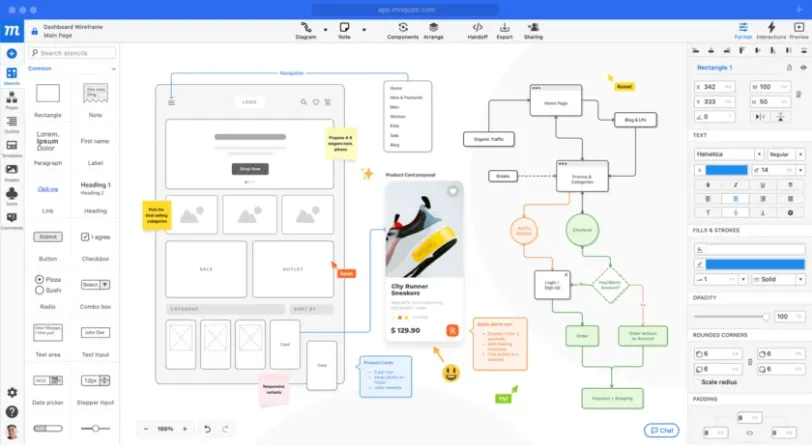
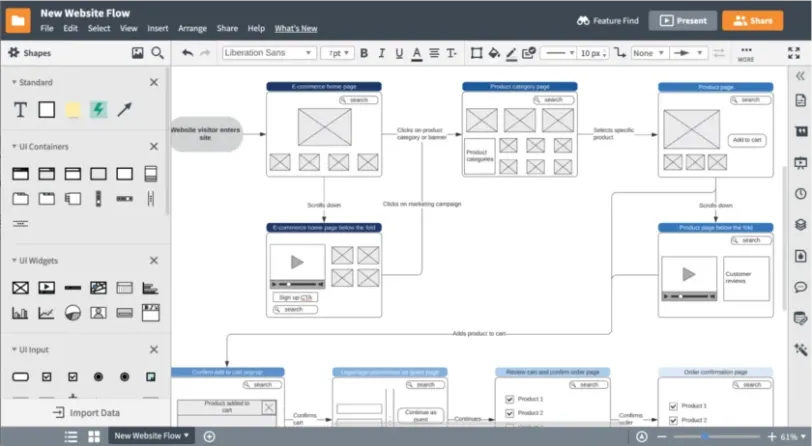
Filling blocks with content and selling headlines
The hardest part of this stage is avoiding stamps. The sheer number of bandings and multilandings on the Internet leads to a depletion of unique text turnovers. Today, it's almost impossible to come up with something new that hasn't already been written on other resources.
Logical ties between blocks
This is the highest level of prototyping, which few companies in the IT-sphere can afford. WinMarketing specialists create such prototypes, where each successive meaningful block logically follows from the previous one. This creates an impression of integrity of the material and is very easy to perceive by the reader.
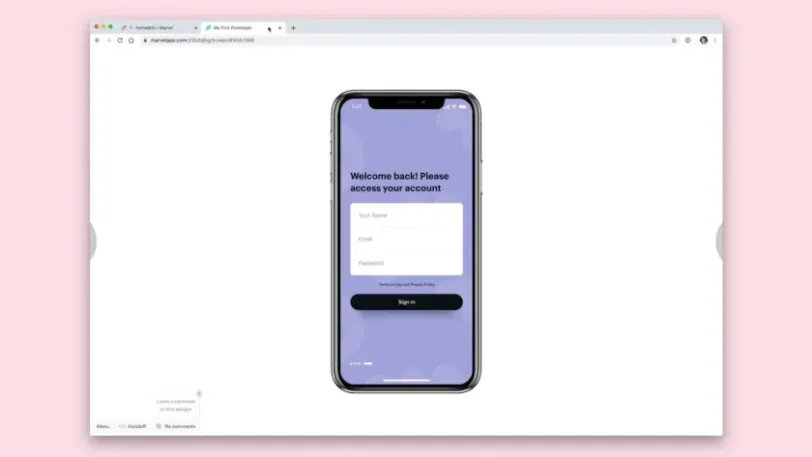
Placing hot buttons and feedback forms
Unfortunately, many developers are abusing these elements, placing them in excessive quantities. On such resources often when you go to the main page opening 2-3 dialog boxes at once, which are annoying to readers. We follow the rules of usability and minimalism and place the hot buttons to a minimum only where the buyer may need them.
The stage of approving the prototype with the Customer
It is very important that the customer gets involved in the development process at the prototyping stage, since all the other stages are rather expensive from the point of view of improvements. The prototype scheme can be corrected in 5-6 iterations absolutely easy, in working mode.